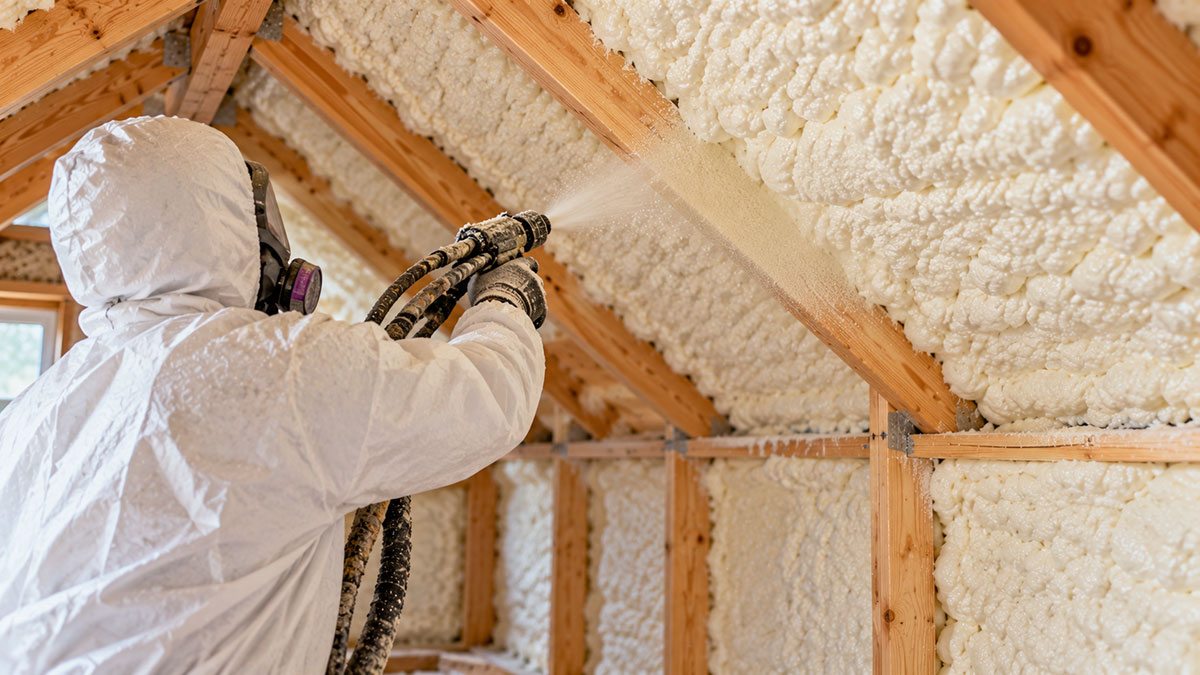
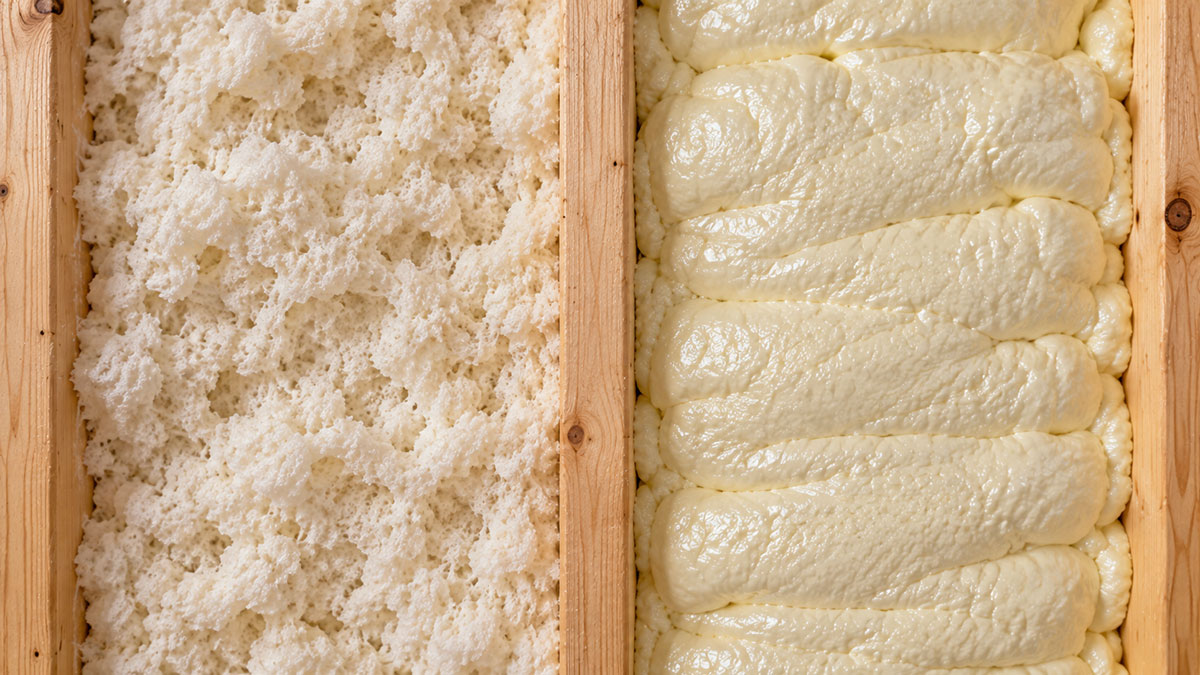
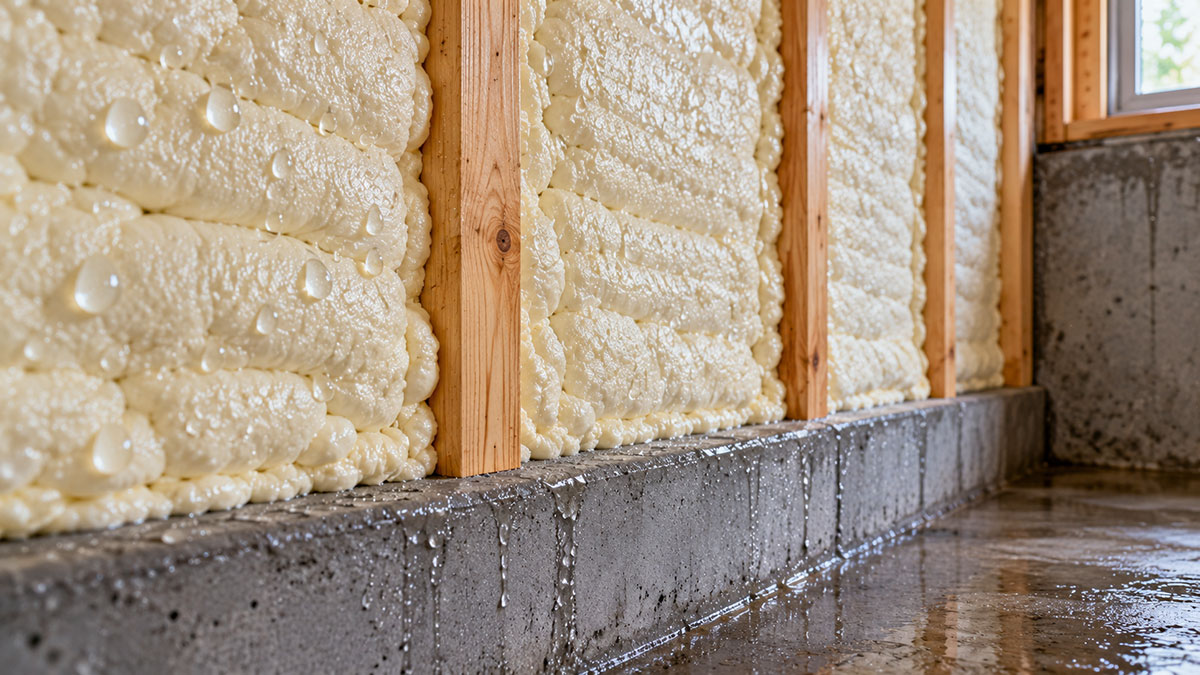
Heat leaves a hot pipe and moves into a cold one. Pipe insulation is what sits between that exchange and the air in the room, a mechanical insulation product shaped to fit around the pipe instead of inside a wall cavity.
Commercial and industrial specifiers pick it by service temperature and pipe diameter. The pipe’s own wall thickness barely enters into it. From there the choice runs between fiberglass, mineral wool, elastomeric foam, and calcium silicate, depending on how hot or cold the line actually runs.
Insulating a piping system cuts heat loss by 85 to 90 percent compared with bare pipe under comparable operating conditions, an estimate NAIMA’s 3E Plus tool produced for the Insulation Institute in 2026. That figure gets quoted a lot without its conditions attached, which is worth keeping in mind.
What Is Pipe Insulation?
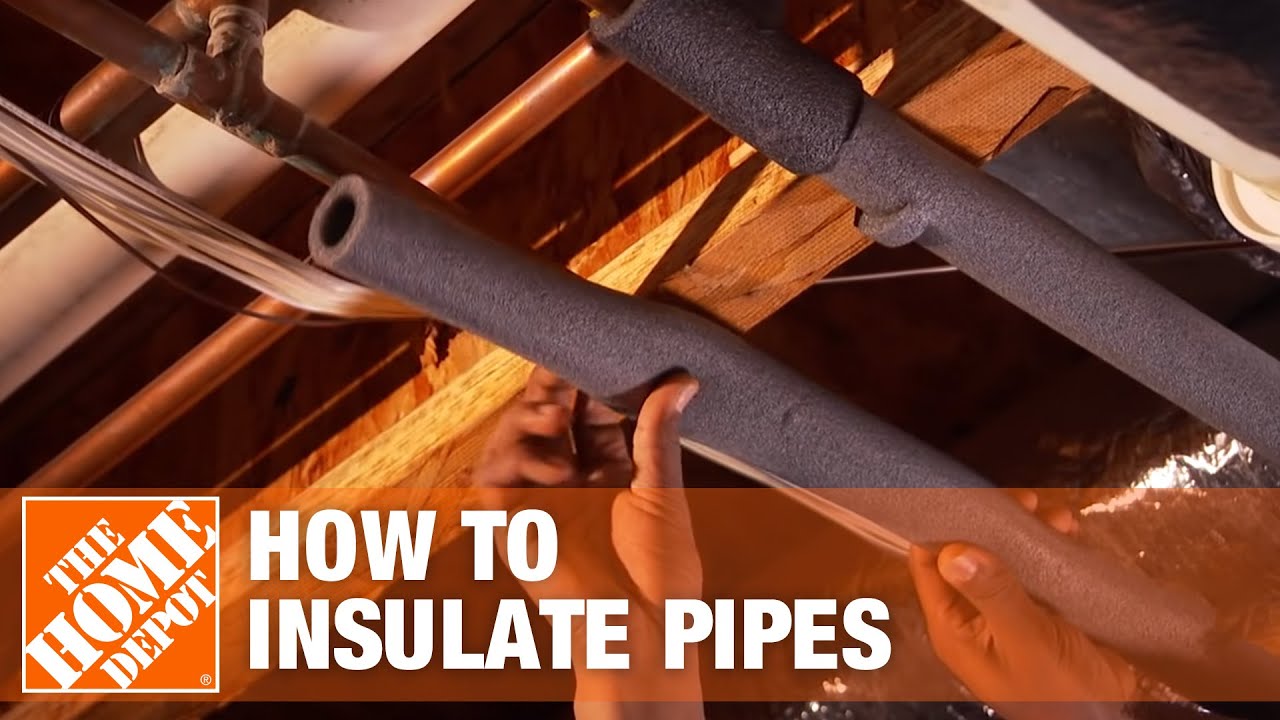
Hollow cylinders split lengthwise, or flat sheets wrapped and sealed. Either format does the same work: slowing heat transfer between the fluid inside the pipe and the air outside it.
Batt and board insulation is built for flat wall and attic cavities, so it never fits a curved surface properly. Broader home insulation systems blanket a whole envelope. Pipe insulation is sized to one pipe diameter and installed section by section along the run.
Mostly it holds heat inside hot water and steam lines, keeps cold lines from sweating, and stops exposed pipes freezing in winter. Noise reduction is a side effect nobody designs for but plenty of people notice.
- Reduces heat loss on domestic hot water, steam, and process piping
- Controls surface condensation on chilled water and refrigeration lines
- Protects exposed outdoor or crawl space piping from freeze damage
- Cuts some noise transmission on plumbing runs, a secondary benefit at best
It belongs to the wider family of types of insulation materials used across a building, narrowed to a cylindrical shape and a mechanical rather than architectural purpose. Owens Corning and Johns Manville both sell it as its own product line, separate from batt and blown-in.
What Materials Is Pipe Insulation Made From?
Fiberglass, mineral wool, elastomeric foam, calcium silicate, cellular glass. That short list covers almost every pipe insulation job you’ll run into, and the reason none of them has taken over is that they trade off against each other across service temperature, moisture resistance, and cost. Commercial specs rarely settle on one material for an entire building.
| Material | Typical Service Range | Moisture Behavior |
|---|---|---|
| Fiberglass | Moderate to high temperature | Absorbs moisture without a jacket |
| Mineral wool | Very high, among the highest of the fibrous group | Absorbs moisture unless water repellent treated |
| Elastomeric foam | -297F to 220F | Closed cell, resists moisture on its own |
| Calcium silicate / cellular glass | High heat (calc silicate) or deep sub zero (cellular glass) | Rigid, low water absorption |
Fiberglass Pipe Insulation
Spun glass fiber bonded with a resin binder, then molded into rigid pipe shaped sections. Fiberglass is the default choice on most jobs, and the reason is mostly price.
- Lightweight and easy to cut on site
- Lower material cost than foam or cellular glass
- Needs a separate vapor retarder jacket on cold piping
Owens Corning, Johns Manville, and Knauf Insulation all manufacture fiberglass pipe sections as a standard catalog item. Same underlying material covered on the fiberglass insulation page, just cut and jacketed for pipe rather than wall cavities.
Mineral Wool Pipe Insulation
Mineral wool sits at the high temperature end of the fibrous material group, built for steam and process piping that fiberglass isn’t rated for.
Most of it is spun from molten rock, slag, or a blend of the two, then bound into rigid or semi rigid sections. Manufacturers including Rockwool add a binder specifically to resist corrosion under insulation on carbon steel pipe, which is the failure mode that eats these systems from the inside out.
The base material is detailed on the rock wool insulation page. Rockwool’s ProRox line is a common commercial grade example, tested under ASTM C612 and ASTM C177.
Elastomeric Foam Pipe Insulation
Closed cell structure is the whole point of this material. Armacell’s AP Armaflex, one of the most widely specified products in the category, carries a service range of -297F to 220F according to manufacturer technical data. Wide enough to cover refrigeration lines and hot water branch piping with one product, which saves a lot of ordering headaches on mixed jobs.
- Built in vapor resistance, usually no separate barrier needed
- Flexible enough to slip over pipe without cutting a full sleeve on smaller diameters
- K-Flex is a common alternative brand in the same material class
Calcium Silicate and Cellular Glass Pipe Insulation
These two sit at opposite extremes. Calcium silicate is rigid, handles high temperature steam and process piping, and holds up under foot traffic on industrial platforms.
Cellular glass is foamed glass, close to impermeable to water, and the standard pick for underground or below ambient piping where corrosion under insulation is a real risk. Foamglas is the best known brand.
ASTM C552 governs cellular glass specifications, the same way ASTM C534 governs elastomeric foam and ASTM C547 covers the fibrous materials above.
How Does Pipe Insulation Work?
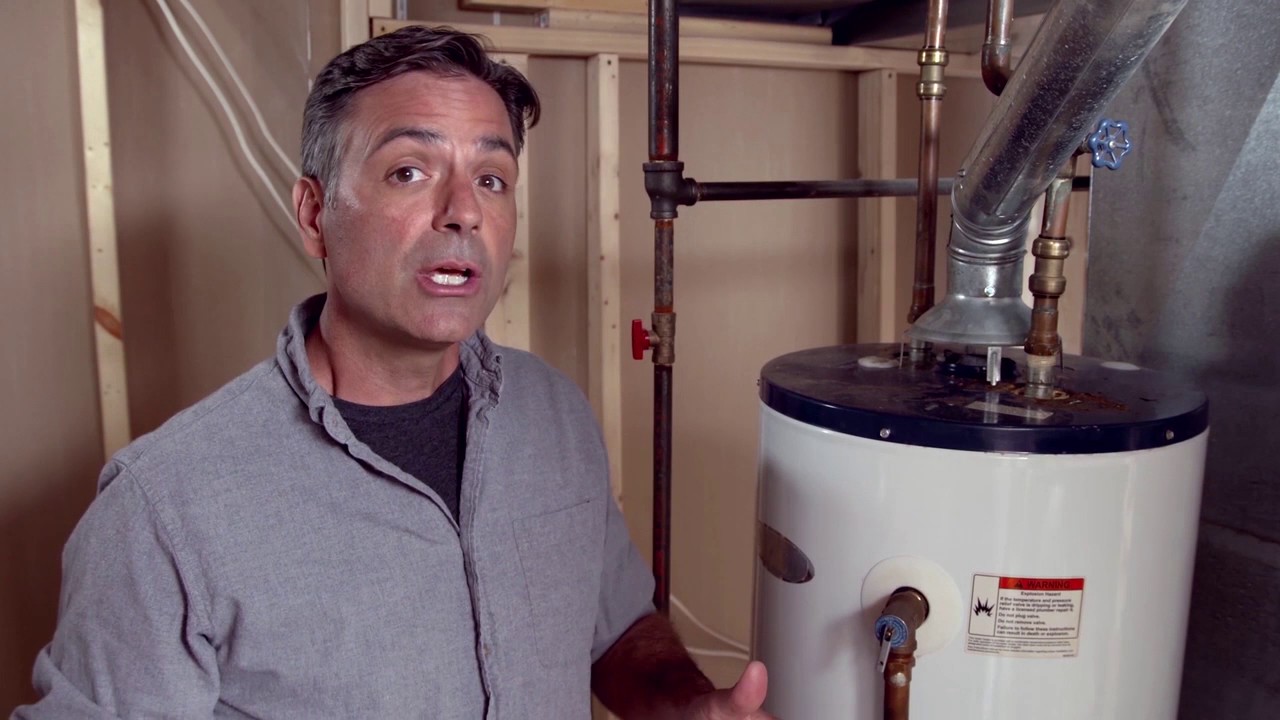
Conduction is the mechanism. Heat flows through the material wrapped around the pipe, just far slower than it moves through open air against bare steel.
The rate heat moves through any material is its thermal conductivity, usually written as a k-value in BTU-in/hr-ft2-F. Lower k-value, less heat through for the same thickness.
Take the reciprocal and you get R-value. Same physical behavior, described from the other direction.
Published numbers land closer together across the three most common materials than you’d guess from how differently they behave in every other respect.
- Fiberglass: 0.23 BTU-in/hr-ft2-F at 75F mean temperature (Johns Manville Micro-Lok HP product data)
- Mineral wool: 0.24 BTU-in/hr-ft2-F at 75F (Rockwool ProRox SL 430NA product data sheet)
- Elastomeric foam, AP Armaflex: 0.25 to 0.256 BTU-in/hr-ft2-F (Armacell technical data)
ASTM C177 is the standard test method behind most of those published numbers. Engineers then run the results through NAIMA’s 3E Plus software to convert a k-value into a required wall thickness for a specific pipe size and temperature.
How Thick Should Pipe Insulation Be?
Nominal pipe size and service temperature set the thickness. The pipe’s actual wall thickness doesn’t come into it, which trips people up the first time they read a code table.
Codes handle the two variables together in a lookup, not as a single flat number.
| Service Type | Temperature Range | Minimum Thickness |
|---|---|---|
| Steam heating | Above 350F | 5 inches on pipes over 1 inch NPS |
| Chilled water | 40F to 60F | 0.5 to 1 inch, depending on pipe size |
| Near ambient piping | 60F to 105F, not fossil fuel or electrically conditioned | Not required under current code |
These figures come from ASHRAE 90.1’s piping insulation tables, adopted into the International Energy Conservation Code for most U.S. jurisdictions.
Nominal pipe size drives the table lookup more than actual wall thickness does. A 2 inch NPS steel pipe and a 2 inch NPS copper pipe land on the same insulation thickness column even though their outside diameters differ slightly.
Buckaroos and similar suppliers sell insulated pipe supports built specifically to stop heat escaping at hangers. The thickness tables for the pipe itself say nothing at all about that gap.
Does Pipe Insulation Prevent Condensation?
Only when permeability and thickness are matched to the pipe’s operating temperature. R-value on its own tells you nothing about whether a chilled line will sweat.
Condensation forms when a cold pipe surface sits below the surrounding air’s dew point. Insulation raises the effective surface temperature above that dew point. That only holds if moisture vapor is kept from reaching the cold pipe wall underneath it.
Perm rating measures how much water vapor passes through the insulation per inch of thickness. Lower rating, better resistance to that vapor drive.
- Fibrous materials (fiberglass, mineral wool) need a factory applied vapor retarder jacket
- Closed cell elastomeric foam is often installed with no separate barrier at all
- Cellular glass is close to impermeable on its own
Skipping a needed vapor barrier insulation layer on a chilled water line is one of the most common ways condensation control fails on a job site. Armacell markets AP Armaflex partly on the fact that its closed cell structure removes that extra install step on most projects.
What Fire Rating Does Pipe Insulation Need?
In a return air plenum the number is flame spread index of 25 or less and smoke developed index of 50 or less, tested under ASTM E84. The International Mechanical Code carries the requirement, per Johns Manville and Armacell technical guidance.
That 25/50 threshold is the most commonly requested insulation fire rating across commercial mechanical specs, since piping so often shares the same ceiling space as return air ductwork.
Outside a plenum, requirements loosen. Most specifiers hold to 25/50 anyway because it’s the rating every major manufacturer already publishes.
- Most fiberglass and mineral wool products meet 25/50 as manufactured
- Standard AP Armaflex elastomeric foam carries a 25 flame spread and 50 smoke developed rating out of the box
- PVC jacketing alone does not meet 25/50 for plenum use without a rated insulation core underneath it
Jacketing affects the tested assembly, not just the core insulation. That’s why Johns Manville and Armacell both publish separate flame and smoke data for jacketed versus unjacketed product.
Which Pipe Insulation Material Should You Choose?
Service temperature first, moisture exposure second, budget third. Roughly in that order.
Nothing wins on every axis, which is why a single commercial building often specifies two or three different pipe insulation materials across its mechanical rooms.
Johns Manville and Owens Corning compete directly on price in the fiberglass segment. Armacell and K-Flex do the same in elastomeric foam.
| Material | Best For | Moisture Resistance | Relative Cost |
|---|---|---|---|
| Fiberglass | Hot water, steam branch lines | Low, needs jacket | Lowest |
| Mineral wool | High temperature steam and process lines | Low, needs jacket | Moderate |
| Elastomeric foam | Chilled water, refrigeration | High, built in | Moderate to high |
| Cellular glass | Underground, sub zero, corrosive settings | Highest | Highest |
Budget alone rarely settles the decision. A cheap fiberglass job on a chilled water line that skips its vapor jacket usually costs more in repair than the foam alternative would have cost upfront.
Pros and Cons of Each Material
Fiberglass
Cheap, stocked everywhere, cuts with a utility knife. It also drinks moisture, so a cold line needs a separate vapor jacket, and that’s one more step somebody will eventually skip.
Mineral wool
Highest practical temperature tolerance of the group, and it holds its shape around fittings better than fiberglass does. Same moisture weakness though. Heavier to handle, too.
Elastomeric foam
Vapor resistance built in, flexible, quick to install. Maximum temperature sits well below mineral wool or calcium silicate, which rules it out of steam work entirely.
Cellular glass
Close to fully impermeable, and it resists compression underground. Brittle, the most expensive option on the list, and a pain to fit around complex geometry.
What Type of Pipe Insulation Fits Each Application?
The application decides the material match before cost or brand ever enters the conversation.
A chilled water loop and a steam header sit at opposite ends of the same building’s mechanical room, and neither one tolerates the other’s typical insulation choice.
| Application | Typical Material | Main Driver |
|---|---|---|
| Domestic hot water | Fiberglass or elastomeric foam | Moderate heat retention, low cost |
| Chilled water | Elastomeric foam or cellular glass | Condensation control |
| Steam and process | Mineral wool or calcium silicate | Sustained high temperature |
| Outdoor and exposed | Any core material, UV-rated jacket | Weather and impact resistance |
Hot Water and Chilled Water Pipes
Fiberglass with a vapor retarder jacket handles most residential and light commercial domestic hot water branch lines without any drama.
Chilled water is a different problem. The surface runs colder than the room’s dew point almost year round, so elastomeric foam or cellular glass carries the load instead of fiberglass.
Mixing the two by mistake, fiberglass on a chilled line, is one of the more common ordering errors on multi-trade jobs where hot and cold branch piping run side by side. Easy enough to do when both boxes are sitting on the same pallet.
Steam and High-Temperature Pipes
Con Edison’s district steam system under Manhattan runs more than 100 miles of insulated main and service pipe, delivering steam at temperatures up to 375F to buildings across the borough (Con Edison).
Mineral wool and calcium silicate are the standard choices at that end of the temperature scale. Elastomeric foam and most fiberglass products aren’t rated anywhere near it.
- Calcium silicate handles the highest sustained temperatures with rigid support
- Mineral wool flexes slightly better around irregular fittings at similar temperatures
- Both require jacketing rated for the same service temperature, not just the insulation core
Outdoor and Exposed Pipes
UV exposure breaks down standard PVC jacketing over time. Outdoor runs need a jacket rated for sunlight, not just for weather.
- Aluminum jacketing or UV-stabilized PVC covers most outdoor mechanical piping
- Freeze protection sometimes needs heat tracing under the insulation, not insulation alone, in the coldest climates
- Mechanical damage from foot traffic or equipment is a bigger risk outdoors than moisture is
Rodent and bird damage to jacketing happens often enough that ground-level runs are frequently specified with metal jacketing instead of PVC.
Is Pipe Insulation Required by Code?
On most commercial and multifamily piping in the United States, yes. The requirement arrives through either ASHRAE 90.1 or the International Energy Conservation Code, depending on what a state has adopted.
Some states adopt ASHRAE 90.1 directly. Alabama, Indiana, New Jersey, Oregon, West Virginia, and New York are among them. Most of the rest adopt the International Energy Conservation Code, which carries the same commercial provisions.
The Department of Energy estimates that buildings meeting the current edition of Standard 90.1 cut national site energy use by 9.8 percent compared to the previous edition, rising to 14 percent once onsite renewables are factored in (DOE determination, 2024). Piping insulation requirements are one of many provisions bundled into that total, so don’t read the whole number as insulation’s doing.
California enforces its own version of these piping insulation requirements through Title 24, which runs its own mechanical insulation tables independent of ASHRAE 90.1.
Compliance gets checked at the mechanical rough-in inspection, before piping is covered by ceilings or wall finishes. An inspector who finds bare pipe on a code-covered run can hold up the final sign-off until it’s insulated.
Residential single-family construction usually falls under a lighter version of the same code, and typically skips piping insulation requirements outside of freeze protection concerns.
How Much Does Pipe Insulation Cost?
Pipe insulation runs $0.50 to $5 per linear foot installed. Most residential jobs land between $360 and $850 total, averaging around $600 (Angi, 2026).
Commercial and industrial jobs scale well past that range once pipe diameter, insulation thickness, and jacketing requirements increase.
Pipe diameter and the thickness that the service temperature demands move the number more than anything else on the list below.
- Material choice, with cellular glass and calcium silicate priced above fiberglass and foam
- Access difficulty, since crawl spaces and ceiling plenums slow installation labor
- Jacketing type, where metal jacketing costs more than PVC or foil facing
Labor typically makes up a larger share of the total than the insulation material itself, especially on jobs where access is tight or fittings need wrapping one at a time.
Skipping insulation to save on upfront cost rarely pays off. Heat loss on an uninsulated hot water line keeps costing money on every utility bill for as long as the pipe stays bare.
How Do You Install Pipe Insulation?
The sequence is the same regardless of material. Foam and fibrous products differ mainly in how the seams get closed.
Nothing exotic in the toolkit either.
- Utility knife or insulation knife
- Tape measure
- Contact adhesive or manufacturer-specified seam sealer
- Seam tape or self-sealing closure strip
- Measure the pipe diameter and confirm the required insulation thickness for that service temperature
- Cut the insulation section to length, mitering corners at elbows and tees
- Fit the section around the pipe and close the longitudinal seam with adhesive or a self-sealing strip
- Seal butt joints between sections with matching tape or mastic
- Install jacketing over the insulation where the spec calls for one
- Inspect every joint and penetration point before the run gets covered by ceiling or wall finishes
MICA’s North American Commercial and Industrial Insulation Standards Manual sets out these installation methods across 111 detailed plates, covering everything from general application to cryogenic piping (MICA).
Most callback issues trace back to unsealed butt joints and missed fittings, not to the insulation material.
When Does Pipe Insulation Not Work?
Failures are predictable. Moisture, physical damage, or the wrong material for the service temperature account for nearly all of them.
Corrosion under insulation is the expensive one on industrial piping. API RP 583, the American Petroleum Institute’s guidance on the subject, places carbon and low-alloy steel at risk of corrosion under insulation between roughly 10F and 350F, and austenitic and duplex stainless steel at risk of chloride stress corrosion cracking between roughly 140F and 400F.
- Wet insulation left in place traps moisture directly against the pipe wall instead of keeping it out
- A vapor jacket that’s punctured or missing at a single fitting can start corrosion long before any damage shows from outside
Insulation squeezed flat at a hanger or clamp loses R-value exactly where the pipe carries the most load. It’s ordinary insulation compression, and it’s easy to miss on a job that otherwise looks finished correctly.
Undersized insulation doesn’t fail outright. It underperforms quietly, costing more in heat loss than the thinner material ever saved in upfront price.
And there are runs where insulation does very little to begin with.
- Piping carrying fluid within a few degrees of ambient room temperature
- Short branch runs already exempted under the code thresholds covered earlier
- Pipe sections inside equipment that already ships with its own factory insulation
Wrapping insulation over a pipe with an existing leak or active corrosion fixes nothing. It hides the problem until the damage is significant enough to show through the jacket.
FAQ on What Is Pipe Insulation
What Is Pipe Insulation Not?
Plenty of products get confused with it. Pipe wrap tape is a thin adhesive layer, not a thermal barrier. Heat tape adds warmth electrically instead of retaining it. Duct insulation covers airflow ducts, not curved pipe surfaces.
What Mistakes Do People Make Installing Pipe Insulation?
Unsealed butt joints top the list, letting moisture and air bypass the barrier. Skipping a vapor jacket on chilled lines causes condensation later. Undersized wall thickness for the service temperature and gaps left at valves and elbows both cut performance sharply.
Can You Install Pipe Insulation Yourself, or Do You Need a Professional?
Straight residential runs with foam or fiberglass sleeves are a reasonable DIY job with basic tools. Commercial work needing code-compliant thickness, jacketing, or plenum-rated fire performance calls for a licensed insulation contractor familiar with ASHRAE 90.1 and local inspection requirements.
How Long Does Pipe Insulation Last Before It Needs Replacing?
Properly maintained industrial insulation can commonly last 20 years or longer, according to insulation manufacturers and industry groups such as the National Insulation Association. Outdoor jacketing usually fails first, long before the core material, since UV and weather reach it before the insulation underneath.
How Do You Inspect or Maintain Pipe Insulation Over Time?
Walk the run looking for torn jacketing, water stains, sagging sections, and soft spots that signal trapped moisture. On industrial piping, infrared surveys catch corrosion under insulation before it surfaces. Reseal small jacket breaks immediately, before they turn into a bigger repair.
Does Pipe Insulation Need Replacing After a Pipe Leak or Burst?
Almost always, yes. Water-soaked fibrous insulation loses most of its thermal value and rarely dries out fully in place. Elastomeric foam occasionally survives a brief leak if caught early, but insulation exposed to a burst pipe generally gets inspected and replaced.
What Should You Check First If Pipe Insulation Has Failed?
Jacket integrity first, moisture content second, core thickness against code last. That order holds because a torn jacket creates the other two problems within weeks.
- Jacket integrity, checked for tears, punctures, and open seams
- Moisture content, checked by weight or probe on suspect sections
- Core thickness, checked against the ASHRAE 90.1 minimum for that service
Fixing the jacket before replacing worn core material carries one trade-off. A corrosion site already forming underneath goes uncaught until the next scheduled inspection.
The same logic extends past individual pipe runs. A home energy audit catches heat loss points insulation alone can’t fix, from duct leakage to window infiltration, giving a fuller picture of where a building loses energy.