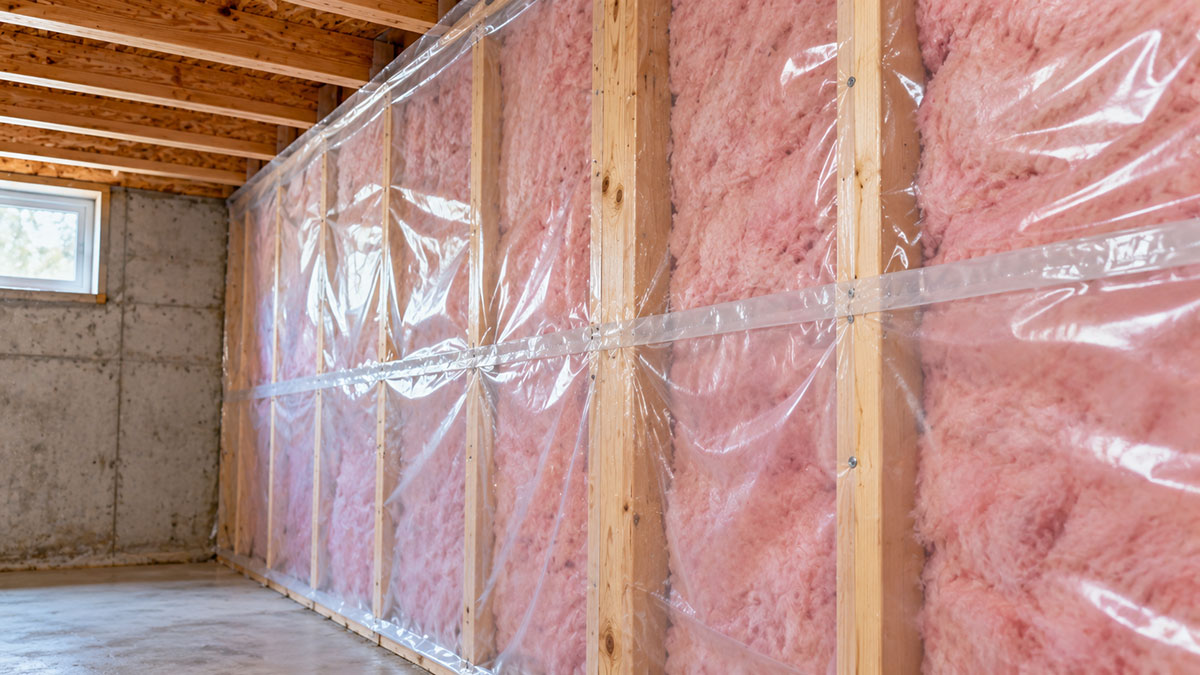
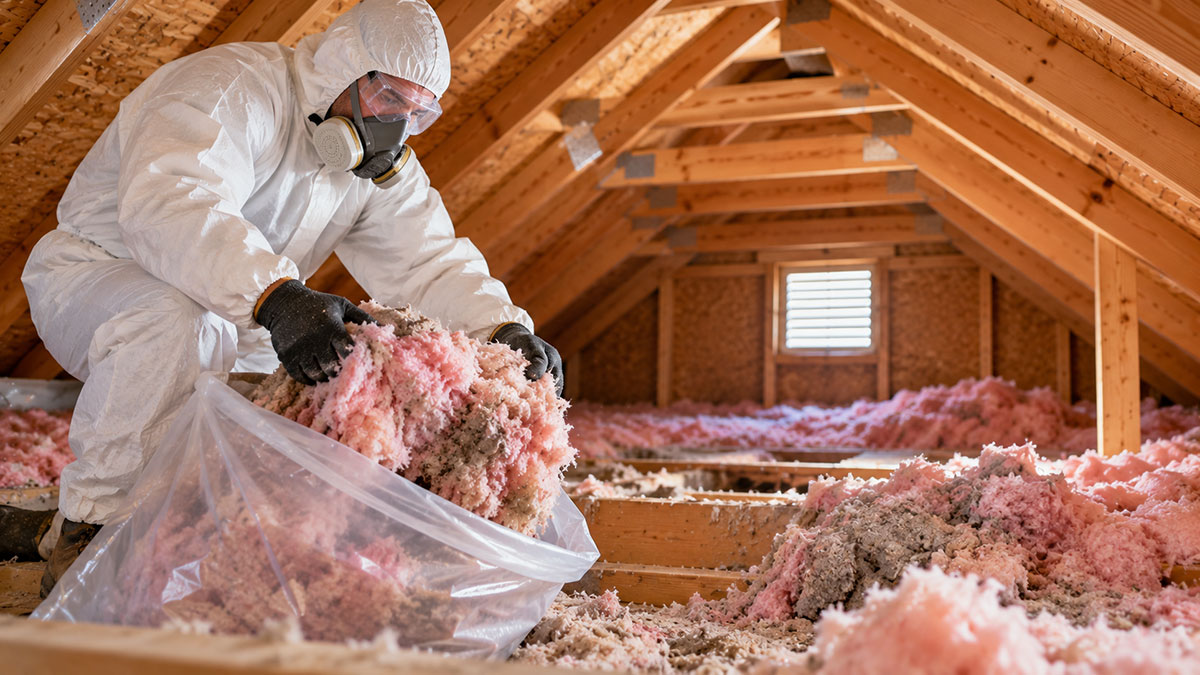
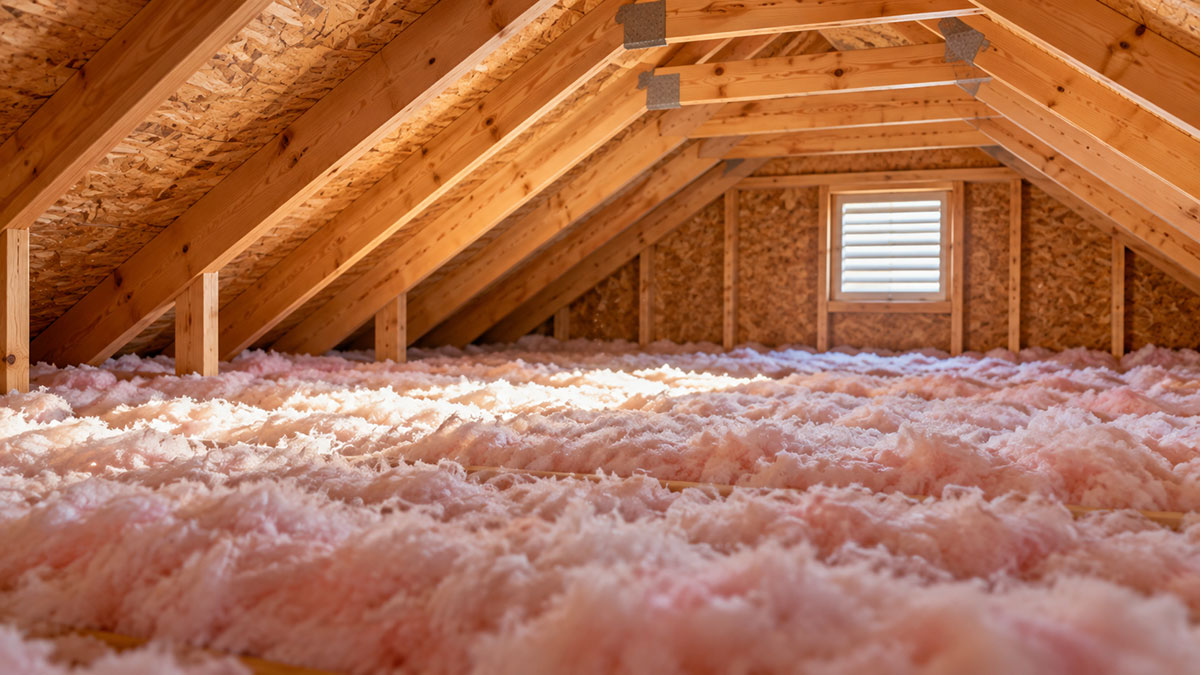
Before anything else, you need to know where the mice actually are. A mouse crossing the attic floor at night is one situation. A mouse that has burrowed down into the fiberglass batt or the blown-in cellulose and built a nest in there is a different one, and it’s the harder of the two to deal with.
Trappers and pest control techs treat the second case differently for an obvious reason. Nothing is sitting out in the open. The droppings are buried in the material, and the ammonia smell rises up through the surface instead of off it.
A 2012 hantavirus outbreak traced by the CDC to Yosemite tent cabins, where mice had tunneled through the wall insulation, sickened ten people and killed three, according to its Emerging Infectious Diseases journal (2014).
What Mice Under Attic Insulation Actually Means

The distinction sounds like hair-splitting until you’re the one up there with a flashlight. Mice that have moved past the open floor and tunneled into the insulation layer aren’t passing through. They’ve settled.
Almost every residential case comes down to the house mouse, Mus musculus. Fiberglass batt takes the worst of it in most homes. Blown-in cellulose is close behind, and mice treat the two materials differently once they’re inside.
Both sit within the wider set of attic insulation types builders install.
Rodent sightings indoors are not rare. 27% of Americans reported finding a rodent in their home in the past year, per a 2023 National Pest Management Association survey. A slice of those are exactly this, hidden under the insulation rather than out where anyone can see them.
Signs Mice Are Living Under Your Attic Insulation

One sign on its own could be almost anything. Two or three at once usually means a nest.
- Dark, rice-shaped droppings clustered along the seams where batts meet
- A sharp ammonia smell that gets stronger the closer you put your face to the insulation surface
- Rustling or scurrying at night that sounds like it’s coming from inside the material, not on top of it
- Flattened, darkened paths pressed into the surface, which are grease trails from mice running the same route over and over
- Small mounds of shredded paper, fabric, or loose fiberglass pulled up out of the layer
Droppings and urine are also how most mouse-borne illness spreads indoors, so the health section below is worth reading before you start poking around up there.
How Mice Get Into the Attic and Under the Insulation

A mouse finds a gap somewhere along the roofline, travels the joists and wiring runs, and stops when it hits something soft enough to burrow into. That’s the whole route.
Where Mice Enter From the Roofline
Entry points sit higher up than most homeowners expect. People check the foundation and the garage door first, which is usually wasted effort in an attic case.
- Soffit vents with torn or missing screens
- Gaps where the roofline meets the wall
- Gable vents and ridge vents with no mesh backing
- Utility and pipe penetrations near the rafters
Branches touching the roof give mice a ladder straight to those gaps. That’s why every pest control company on earth tells you to prune back the trees.
Gaps Mice Can Squeeze Through
A mouse fits through an opening the size of a dime, according to the National Pest Management Association. Roughly a quarter inch.
That’s small enough that you’d walk past it during an inspection and never register it as a hole.
Once a mouse is in, it takes the shortest path to warmth. Insulation happens to be exactly that.
What Health Risks Come From Mice Nesting Under Attic Insulation
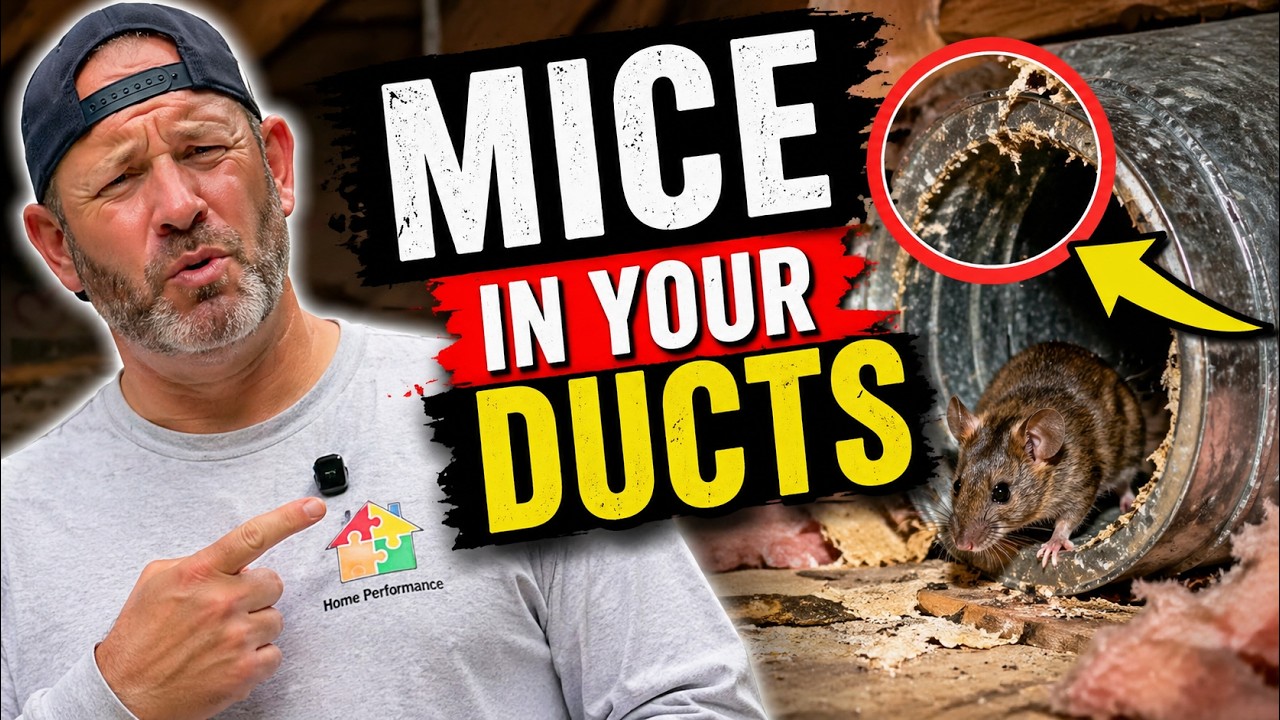
Dried droppings and urine can carry pathogens that go airborne the moment somebody disturbs the material.
Hantavirus pulmonary syndrome is the worst of them. The deer mouse, Peromyscus maniculatus, is the main carrier, though the house mouse you’re more likely dealing with brings its own risks.
It is fatal in 38% of cases that reach respiratory symptoms, according to the CDC.
Salmonella from direct contact with contaminated insulation is far more common and far less severe.
Separate from any of that, there’s the fiberglass itself. Glass fibers irritate skin, eyes, and airways whether or not a mouse ever touched them. Biological contamination sitting inside a material that’s already unpleasant to handle is why cleanup gets its own section down the page.
Which Trap Works Best for Mice Hiding Under Attic Insulation

Placement beats trap type here, and it isn’t close. Mice nesting in insulation rarely cross open attic floor, so a trap sitting in the middle of nowhere catches nothing for weeks.
| Trap Type | How It Works | Best Use Case |
|---|---|---|
| Snap trap | Mechanical strike, kills instantly | Small number of mice, known trails |
| Multi-catch live trap | Funnels mice into a holding chamber | Larger or ongoing populations |
| Bait station | Houses rodenticide, slower acting | Areas kids and pets cannot reach |
| Electronic trap | High-voltage kill, no carcass handling | Homeowners who want less mess |
Victor and Tomcat make the snap traps you’ll find in any hardware store. Havahart does the multi-catch live version. JT Eaton shows up constantly in bait blocks built around anticoagulants like bromadiolone.
Set snap traps right on the grease trails and tunnel mouths you marked during inspection. Nowhere else.
Do Natural Repellents Get Rid of Mice Under Attic Insulation
Peppermint oil and ultrasonic plug-ins are what people try first, and neither clears a nest that already exists.
Peppermint oil is cheap and harmless to use around insulation, which is most of its appeal. The scent is gone in a few days, and it does nothing at all to a mouse already living inside the material.
Ultrasonic devices get sold as the no-mess fix. Sound doesn’t travel well through dense insulation fibers, so the mice under the batts are arguably the one population those devices can’t reach.
Regulators have been blunt about it. The FTC has sent warning letters to more than 60 manufacturers and retailers of ultrasonic pest-control devices, telling them effectiveness claims need real scientific backing.
If repellents do anything, it’s as a mild deterrent running alongside sealing and trapping. Not instead of them.
Should You Clean or Replace Attic Insulation After a Mouse Infestation
It comes down to what the material is and how far down the contamination goes.
| Condition | Action | Typical Material |
|---|---|---|
| Light droppings, no urine soaking | Clean and disinfect in place | Fiberglass batt |
| Urine-soaked, matted, or tunneled through | Remove and replace | Blown-in cellulose |
| Unknown older loose-fill material | Test before disturbing | Possible vermiculite or asbestos |
Cleaning Salvageable Insulation
Fiberglass batt insulation with light, dry contamination can sometimes be cleaned in place instead of hauled out.
In an older house, stop and identify the loose-fill material before you touch it. Cellulose and vermiculite look nearly identical once they’re old and dusty, and being able to tell cellulose apart from asbestos insulation matters a great deal before anyone starts stirring it up.
Replacing Contaminated Insulation
Blown-in cellulose that has soaked up urine is finished. It holds moisture and odor in a way batt insulation simply doesn’t.
There’s a second issue that has nothing to do with contamination. Mice compress and tunnel through the material while they nest, and that alone costs you performance.
Compressing fiberglass batt by a given percentage cuts its R-value by roughly half that percentage, according to the Insulation Institute.
Which is one reason insulation compression from nesting tends to tip homeowners toward a full replacement instead of a patch job.
DIY Mouse Removal Versus Hiring a Wildlife Control Professional
Most people sit on this decision far longer than they should.
43% of Americans know rodents can spread disease, yet only 17% call a pest control professional at the first sign of one, according to a 2024 NPMA survey.
Handling it yourself is reasonable when you can see and reach the entry points, the population is small, and the contamination is light and dry.
Call someone when the nest is buried deep in blown-in cellulose. Same goes for entry points that need ladder work on a roofline, or droppings that have obviously been accumulating for more than one season.
Look for a technician credentialed through the National Wildlife Control Operators Association, which trains people specifically for exclusion and trapping work.
Waiting almost never saves money. It just hands the population more breeding time before anyone does anything.
How Much Does It Cost to Remove Mice From Attic Insulation
The spread depends on how much of the job is trapping and sealing versus tearing out insulation.
- A professional extermination visit runs $176 to $579, averaging $377, according to HomeAdvisor and Angi
- Basic exclusion and sealing usually adds a few hundred dollars on top of that visit fee
- Partial insulation removal and replacement gets priced by the square foot rather than as a flat rate
- Doing it yourself, traps and sealant and mesh together usually come in under $100
Insulation replacement is quoted separately from pest removal, based on the cost per square foot for insulation where you live and the material you pick.
One small nest rarely justifies that line item. Soaked blown-in cellulose almost always does.
Steps to Remove Mice From Under Attic Insulation
Order matters more than anything else in this list.
Seal before you trap and you’ve sealed live mice inside the insulation with nowhere to go.
- Walk the attic and flag every entry point, dropping cluster, and disturbed patch of insulation you find.
- Set snap traps or live traps along those marked trails. Do this before you touch a single entry point.
- Keep trapping until you’ve gone several consecutive nights with nothing caught.
- Now seal, working from the outside in, closing every marked gap with steel wool, copper mesh, or hardware cloth.
- Deal with the droppings and soiled insulation before anyone spends real time up there again.
- Put fresh material back in once the space is sealed and clean.
That last step is the same process as any other attic insulation installation, just with the pest-proofing already done.
Skipping the monitoring window is the mistake almost everyone makes. Two quiet nights means nothing.
Best Materials to Seal Attic Entry Points Against Mice

Nobody needs to obsess over brands here. What the material is made of is the part that decides whether the seal holds.
Sealing Small Gaps and Cracks
Stainless steel wool mesh handles cracks and small holes, because mice can’t chew through it the way they go through plastic or rubber.
- Xcluder brand fill fabric, patented and USDA/APHIS tested against rodent entry
- Copper mesh, lighter and easier to pack around pipes and small cracks
- Caulk, which seals air fine but is useless on its own anywhere a mouse can get its teeth
Caulk with no steel or copper behind it just gives the mouse something softer to chew.
Sealing Larger Openings and Vents
| Opening | Material | Note |
|---|---|---|
| Soffit and gable vents | Heavy-gauge hardware cloth | Screws in place, holds its shape |
| Roofline gaps | Steel wool plus spray foam | Foam alone is not enough by itself |
| Utility penetrations | Copper mesh packed tight | Fits irregular shapes better than cloth |
Spray foam looks convincing once it sets. A mouse chews straight through cured foam anyway. Treat it as filler around a mesh barrier and never as the barrier itself.
How to Clean and Decontaminate Attic Insulation After Mice Are Gone

This is the stage where the health risk described earlier either gets handled properly or doesn’t.
The CDC recommends ventilating the space for at least 30 minutes before cleaning starts, with openings on opposite sides so air actually crosses through.
Never sweep or dry-vacuum droppings. It’s the most common mistake by a wide margin, and it’s precisely how dried virus particles end up in the air you’re breathing.
- Put on an N95 respirator and rubber or plastic gloves before you touch anything
- Soak droppings and nesting material with a bleach solution or an EPA-registered disinfectant, then wait
- Wipe up with paper towels and bag them
- Bag contaminated insulation for disposal instead of trying to rescue it
Professionals doing insulation removal use sealed, HEPA-filtered vacuum systems built for this specific hazard. A shop vac from the garage does the opposite of what you want, which is push fine dust back into the room.
Wash your hands with soap and water after the gloves come off, even when nothing looks dirty.
When Trapping and Sealing Do Not Get Rid of Mice Under Insulation
A repeat infestation after what looked like a proper seal job usually traces back to one of two things.
Either you missed an entry point, or the traps never caught up with how fast the population was growing.
Structural Conditions That Cause Repeat Infestations
A female house mouse can produce 5 to 10 litters a year, according to the Internet Center for Wildlife Damage Management.
Against that math, catching a handful of mice while entry points stay open for a few more weeks accomplishes very little.
- A second entry point on the far side of the roofline that never got marked
- Structural rot, or gaps that open and close with seasonal expansion
- Separate colonies coming in from different sides of the same building
None of that is a trapping failure. Those are inspection failures, and no amount of additional trapping fixes them.
When Full Re-Insulation Becomes Necessary
There’s a point where sealing and trapping stop being enough, and it’s when the damage has spread across most of the attic instead of sitting in one or two nesting spots.
A colony that has tunneled across a large section of blown-in cellulose leaves contamination scattered in places spot-cleaning will never reach.
The honest answer at that stage is a teardown rather than another round of traps, and homeowners then find themselves choosing between spray foam or cellulose insulation for what goes back in.
That’s a much bigger project than anything described above. It’s also why certain mouse problems never fully resolve until someone commits to it.
FAQ on How To Get Rid Of Mice In Attic Under Insulation
What is the difference between mice on top of insulation and mice nesting inside blown-in insulation?
Anything crossing the open floor leaves visible trails you can follow. Once mice tunnel into blown-in cellulose, the droppings, urine, and nest are all inside the material, and a visual inspection won’t find them without disturbing the layer first.
Why do mice prefer nesting under insulation instead of staying on the open attic floor?
Warmth, mostly. Insulation holds heat that bare joists don’t, and it’s soft enough to burrow into. Both fiberglass batt and loose cellulose also hide a nest from predators and from anyone doing a quick sweep with a flashlight.
Can mice come back after the insulation has been fully replaced?
Yes, and they will if the entry points were never sealed. Fresh insulation is just fresh material to tunnel into. Replacement solves contamination. It does nothing about access, which is why exclusion comes first.
How long does it take to fully clear mice out from under attic insulation?
A light case with one or two mice can be done in one to two weeks of trapping. Something heavier, buried in blown-in cellulose, often runs three to four weeks, with sealing and cleanup on top of that.
Can mice nesting under insulation damage electrical wiring in the attic?
Yes. They gnaw constantly to keep their teeth from overgrowing, and attic wiring runs right through the material they’re nesting in. Chewed wire insulation is a recognized fire risk, not a cosmetic issue.
How often should insulation and entry points be rechecked after sealing?
Check sealed points twice a year, spring and fall, which is when mice push indoors hardest. Scan the insulation surface for new droppings or tunnels while you’re up there. One missed gap puts you back where you started.
What Happens If You Wait Too Long on Mice Under Attic Insulation?
Nothing about this resolves on its own. Waiting compounds two separate problems at once: the population keeps breeding while the entry points stay open, and exposure risk from accumulating droppings climbs with every week that passes.
NPMA reports 17% of homeowners call a professional at the first sign of a rodent, while the CDC puts hantavirus fatality at 38% once symptoms reach the lungs. The 83% who wait are gambling against something that kills nearly two in five people it infects.
CDC guidance is to keep trapping until a full week goes by with no new catches and no fresh activity. Seven consecutive nights of an empty trap line. That stretch, not a couple of quiet evenings, is the signal to start cleanup.
If you ended up pulling out contaminated material, the next thing to work out is how much insulation your attic actually needs to get back the performance the mice cost you.