Fiberglass itches. Anyone who has handled a batt knows that much, and the itch is close to the whole story: the fibers scratch skin and airways the way a splinter does, then stop mattering once you rinse them off. Whether fiberglass insulation is safe hinges on that distinction. Mechanical irritation is real. Lasting toxicity is a different claim, and it doesn’t hold up the same way.
The material goes into walls, attics, and crawl spaces across North America. Performance gets measured in R-value per inch, which is how anyone ends up weighing it against rock wool, cellulose, or spray foam in the first place.
One piece of history keeps the worry alive. California’s Office of Environmental Health Hazard Assessment listed glass wool fibers as a cancer-causing substance under Proposition 65 in 1990. The state narrowed that listing in 2011 to exclude the biosoluble fibers used in home insulation. The original listing is the part people remember.
What Is Fiberglass Insulation?

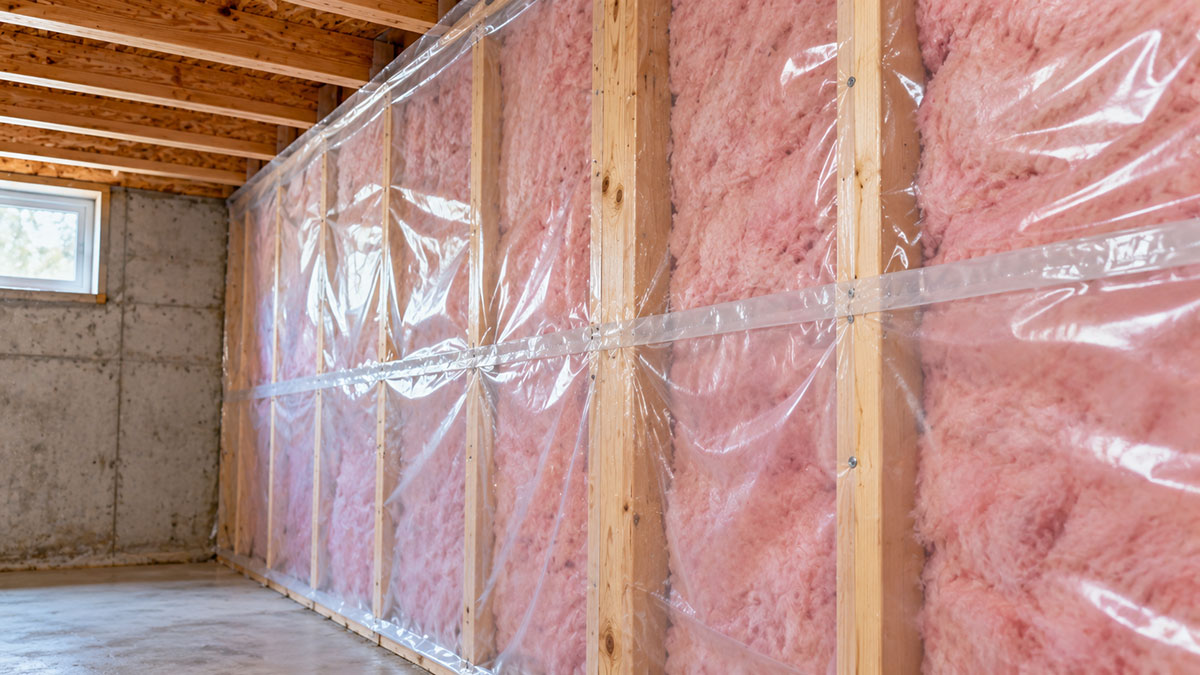
Molten glass, spun into strands fine enough to look like cotton candy, then coated with a resin that holds the mass together. That’s the process, and it’s been running since the 1930s. It’s still the most common insulation material installed in North American homes.
The fibers themselves don’t insulate much. Air does. Millions of tiny pockets caught between the strands slow heat moving from one side of a wall to the other.
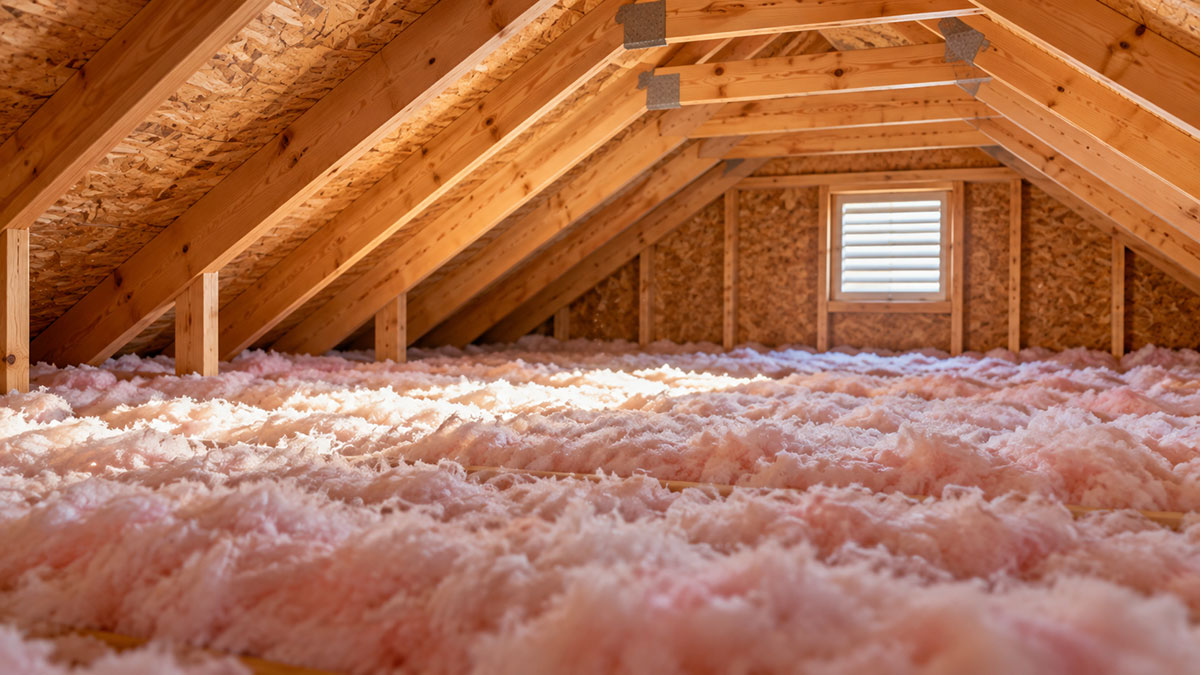
Most homeowners meet it as batt insulation, the precut panels and rolls sized for standard stud bays and attic joists. It also arrives as loose fiber blown into open attics and retrofit cavities, and compressed into rigid board for ducts and other spots that run hot.
Among the types of insulation materials sold today, fiberglass stays the default for new construction. Cheap, and every lumberyard stocks it.
Owens Corning, with its pink PINK Fiberglas line, is the name most people recognize, and one of the largest fiberglass manufacturers on the continent.
Two properties matter more than the price tag. Glass won’t burn, and mold has nothing to eat. Cellulose and spray foam can’t both say that, which is where the safety conversation really starts.
Is Fiberglass Insulation Safe to Touch and Breathe?

Under normal household conditions, yes. The fibers irritate mechanically. They’re not an allergen and they’re not a chemical exposure, and that distinction gets lost constantly.
Skin gets itchy and red where fibers lodge, occasionally to the point of contact dermatitis. Dust in the eyes stings and makes them water. Breathe enough of it and you get a scratchy throat, some coughing, maybe mild chest tightness. All of it clears once the fibers are washed off.
The mechanism is physical, not immunological. Coarse fibers, the ones over roughly 4.5 microns in diameter, catch on skin and mucous membranes the way a splinter catches. Thinner, more brittle fibers break down or clear out of soft tissue fairly quickly, which is part of why symptoms fade so fast.
Nobody develops a fiberglass allergy the way they develop one to pollen or pet dander. Irritation, not sensitization.
Cancer is a separate question. It’s also where most of the lingering fear actually comes from.
Is Fiberglass Insulation a Carcinogen?

No major health authority classifies it as a human carcinogen today. Both of the big listings came off the books. The International Agency for Research on Cancer moved glass wool insulation out of its carcinogen category in 2001, and the National Toxicology Program dropped it a decade later.
The dates and exposure limits, since they get misquoted a lot:
- IARC moved insulation glass wool from Group 2B to Group 3, “not classifiable as to its carcinogenicity to humans,” in October 2001 (International Agency for Research on Cancer)
- Biosoluble glass wool fibers used in home and building insulation came off the Report on Carcinogens in June 2011 (National Toxicology Program)
- OSHA sets 5 mg/m3 respirable dust and 15 mg/m3 total dust as an 8-hour time-weighted average (Occupational Safety and Health Administration)
- NIOSH goes tighter, at 3 fibers per cubic centimeter for fibers under 3.5 microns in diameter and longer than 10 microns, plus 5 mg/m3 total dust (National Institute for Occupational Safety and Health)
The original alarm traces to 1987, when IARC first called glass wool “possibly carcinogenic” on the strength of animal studies using doses and delivery methods no homeowner would ever encounter.
What changed the science was biosolubility. Modern fiberglass dissolves in lung fluid within weeks. That single property is the entire gap between it and a genuinely dangerous fiber.
Is Fiberglass Insulation the Same as Asbestos?
No, and the two behave nothing alike once they’re inside a body. Glass fibers break down in lung fluid within weeks. Asbestos fibers are durable enough to sit in lung tissue for decades, which is the actual source of the cancer risk.
Confusion usually starts in attics built before the 1990s. A different material called vermiculite insulation was often poured in up there, and at a glance it can pass for loose fiberglass.
Much of that vermiculite came from a mine in Libby, Montana that supplied more than 70 percent of the vermiculite sold in the United States between 1919 and 1990, marketed under the brand name Zonolite by W.R. Grace (EPA, 2009). That deposit was contaminated with asbestos. Federal estimates put 15 million to 35 million homes as still potentially containing it.
Telling them apart takes a flashlight and about two seconds. Fiberglass is fluffy, cotton-candy textured, usually pink or yellow or white. Vermiculite looks like pebbles, gray-brown or gold, with a shiny, accordion-folded surface.
Pebbles instead of fluff means a certified asbestos inspector, not a weekend project.
Does Fiberglass Insulation Contain Formaldehyde?

Almost none of what’s on shelves today does. Acrylic and plant-based binders replaced the old phenol-formaldehyde resins across the industry over roughly two decades.
Older batts did use a formaldehyde-based resin to bond the glass fibers, and that binder could off-gas small amounts into indoor air, mostly in the stretch right after installation.
| Manufacturer | Binder Type | Formaldehyde-Free Since | Notes |
|---|---|---|---|
| Johns Manville | Acrylic binder | 2002 | First manufacturer to switch, industry-wide |
| Owens Corning | Plant-based binder (PureFiber) | 2011 | Rolled out under the EcoTouch product line |
| CertainTeed | Plant-based binder | 2010 | Introduced as Sustainable Insulation |
| Knauf Insulation | ECOSE plant-based binder | 2025 | Full fiberglass portfolio completed the switch |
As of October 2015, every fiberglass insulation manufacturer in the United States and Canada had phased out formaldehyde-based binders in lightweight residential products (Healthy Building Network, 2015).
The packaging states the binder type. So does the spec sheet. Manufacturers advertise it now rather than bury it.
Is Fiberglass Insulation Safer Than Rock Wool, Cellulose, or Spray Foam?
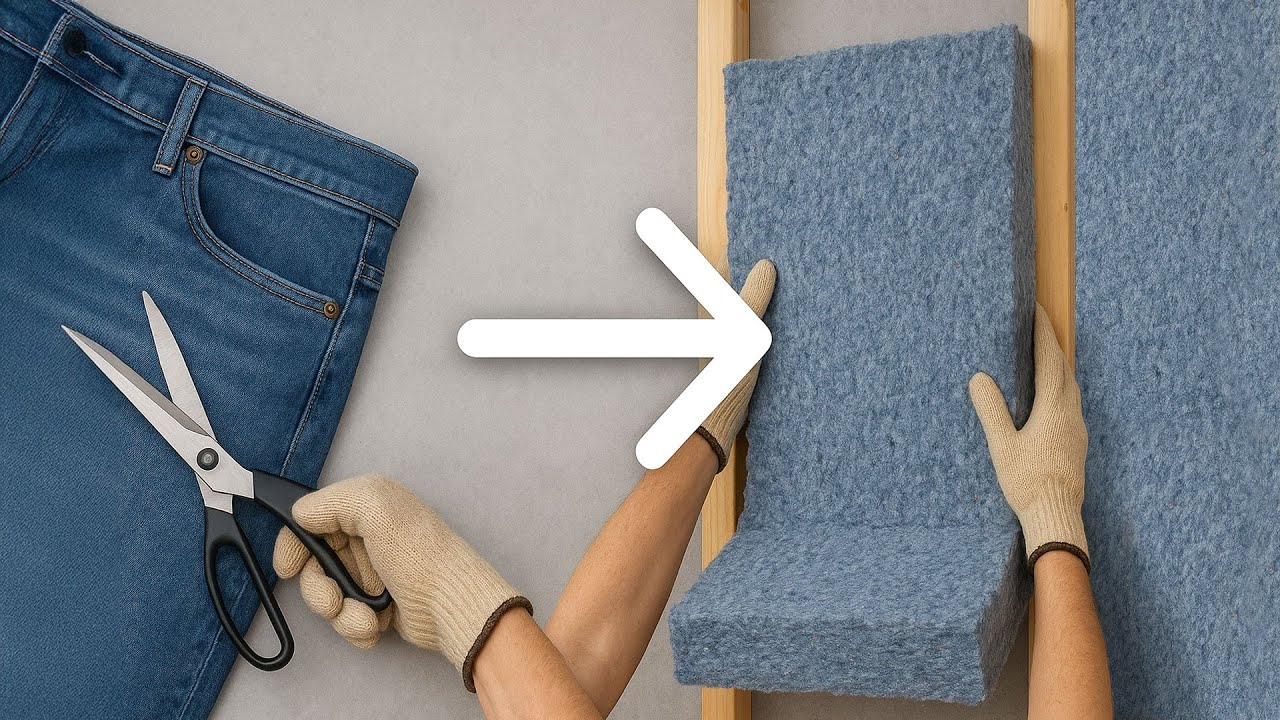
It lands in the middle. Rock wool beats it on fire. Cellulose is about equally annoying to handle. Spray foam is the one with a real installation-day hazard attached.
Each material carries a different kind of exposure risk, which is what makes “safer” such a slippery word here.
Fiberglass is non-combustible, barely smells, and irritates skin and lungs for a short while during handling. Rock wool tolerates more heat, shrugs off moisture better, throws off a similar mechanical dust, and costs more per square foot.
Cellulose trades that mechanical irritation for fine paper dust, and the safety profile of cellulose depends heavily on how much borate fire retardant went in and whether the material has stayed dry.
Spray foam seals air leaks better than any fiber-based option here. But the isocyanates in the wet mixture are a genuine respiratory hazard, and spray foam only becomes chemically inert after it cures, which most manufacturers put at around a day. I’d rather itch for an afternoon than clear the house out, though that’s a preference and not a ruling.
Makers of stone wool insulation, ROCKWOOL among them, lean on a much higher melting point as their main safety pitch against fiberglass.
Once any of the four is installed and sealed behind drywall, none of them is a problem. The differences live in the installation window.
Fiberglass Insulation R-Value and Fire Rating
Expect somewhere between 2.2 and 4.3 per inch depending on the form. The glass fiber itself is classified as non-combustible.
Both facts come from the same property. Glass doesn’t burn, and it doesn’t release the toxic smoke that some foam plastics put out when heated.
Standard batts run close to 3.1 R-value per inch, according to Department of Energy insulation data, which places fiberglass just behind closed-cell spray foam and roughly level with rock wool batts.
| Form | R-Value per Inch | Common Use | Fire Classification |
|---|---|---|---|
| Fiberglass batt | 3.1 | Walls, attic floors, between joists | Non-combustible (glass fiber) |
| Fiberglass blown-in | 2.2 | Open attics, retrofits | Non-combustible (glass fiber) |
| Rock wool batt | 3.2 | Walls, sound control | Non-combustible |
| Closed-cell spray foam | 6.2 | Rim joists, crawl spaces | Combustible, needs ignition barrier |
Batts manufactured to ASTM C665 specifications get tested for thickness, density, and fire class before they ever reach a job site.
Faced batts go through ASTM E84 and commonly carry a flame spread and smoke developed rating of 25/50, the threshold most building codes accept for insulation left exposed in a mechanical space.
The glass strands won’t ignite. The facing is another matter, so a full answer to whether fiberglass insulation is flammable depends on the paper or foil stapled to it, since that facing burns even when the fiber core can’t.
Unfaced fiberglass, tested separately under ASTM E136, qualifies as non-combustible outright. That’s the strictest fire classification a building material can receive.
When Is Fiberglass Insulation Not Safe?
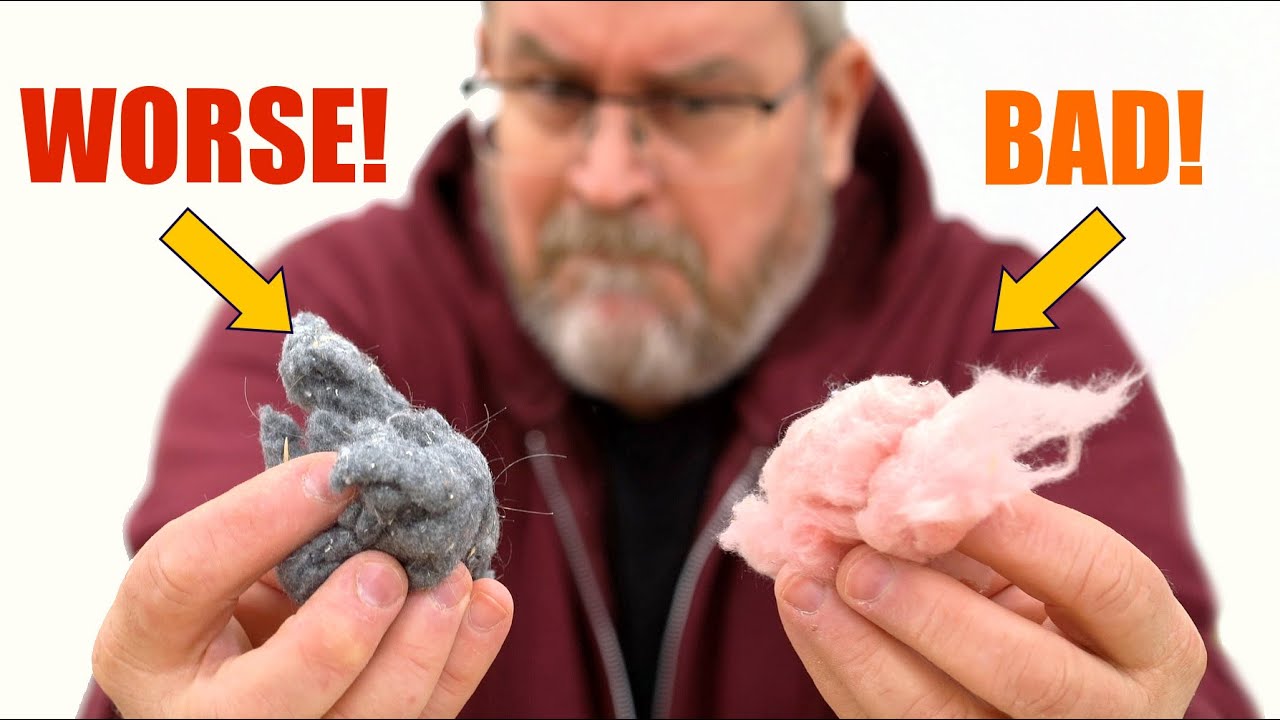
Wet, crushed, torn into during a renovation, or sitting on top of asbestos-contaminated vermiculite. Those are the conditions that turn a non-issue into something worth attention.
None of them apply to insulation that went in properly and has been left alone since.
- Soaked batts trap moisture against wood framing and become a mold problem within days, not weeks
- Stepping on attic batts or overstuffing a wall cavity flattens the air pockets that create the R-value in the first place
- Cutting into old batts mid-renovation puts far more fiber in the air than undisturbed material ever would
- Homes insulated before the 1990s sometimes have vermiculite mixed in beneath the fiberglass layer
Crushed insulation stays crushed. That insulation compression permanently reduces trapped air, and no amount of time lets it puff back up on its own.
Mold can begin growing on wet insulation within 24 to 48 hours of water exposure, according to the Environmental Protection Agency. Which is exactly why soaked batts get pulled rather than left to dry inside a closed wall cavity.
On long-term insulation settlement, the research doesn’t line up neatly.
| Source | Material Tested | Finding |
|---|---|---|
| Home Innovation Research Labs | Batts, 30 to 40 years old | Averaged 95.5% of labeled R-value |
| Oak Ridge National Laboratory | Loose-fill fiberglass | Lost 35% to 50% of R-value at large temperature differences |
The two findings aren’t really contradicting each other. One is about batts holding their shape over decades, the other is about loose-fill behaving differently once it gets cold.
Dry, undisturbed fiberglass behind a wall is not a safety problem. It becomes one when something around it changes.
How Do You Handle and Remove Fiberglass Insulation Safely?

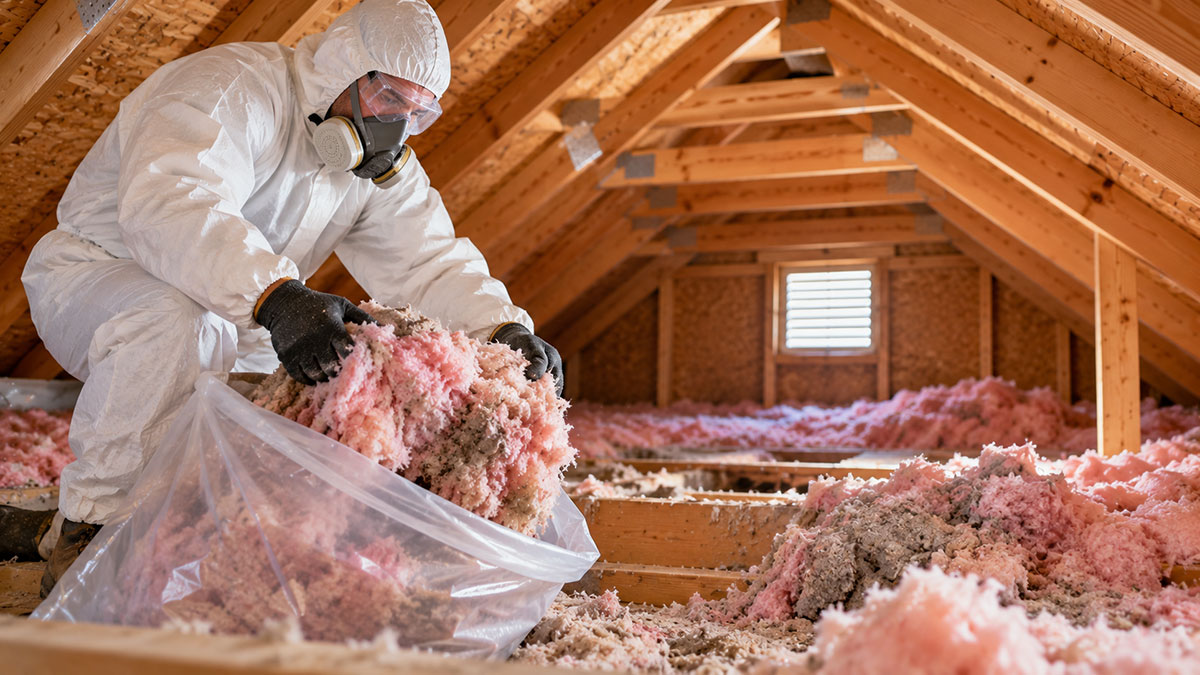
Cover skin and airways, ventilate, and bag debris before it spreads dust through the house. Order matters as much as the gear itself.
- Ventilate the work area by opening windows or running a box fan pointed outward
- Put on gloves, long sleeves, eye protection, and a properly rated respirator before opening any bags
- Cut or pull insulation in small sections rather than tearing large sheets at once
- Bag debris on the spot instead of carrying loose material through the house
- Vacuum the area with a HEPA-filtered vacuum, never a standard shop vacuum
- Wash exposed skin with cool water and change clothes before re-entering living spaces
A sharp utility knife beats tearing by hand every time, and there’s a specific method for cutting fiberglass insulation cleanly without shredding the facing and scattering fiber everywhere.
On bigger jobs, crews mostly skip hand-bagging now and run insulation vacuum removal equipment that pulls debris straight into a sealed container.
Personal Protective Equipment Checklist
NIOSH-certified N95 filters block at least 95 percent of airborne particles, and P100 filters block at least 99.97 percent. Either one covers typical residential fiberglass work.
Gear up before opening a single bag.
- N95 respirator for short jobs, P100 for extended removal or heavy dust
- Leather or heavy-duty work gloves, not the thin disposable kind
- Long sleeves and pants, tucked or taped at the wrists and ankles
- Sealed safety glasses or goggles, since open-frame glasses let dust in from the sides
Safe Disposal Steps
Most municipalities treat leftover fiberglass insulation as ordinary construction debris, not hazardous waste, as long as it isn’t mixed with vermiculite or other asbestos-containing material.
- Double-bag debris in heavy-duty contractor bags and seal each one before moving it
- Label the bags if the local hauler requires that for construction waste pickup
- Call ahead. Some landfills and transfer stations take insulation with general trash, others want a separate drop-off
Insulation suspected of vermiculite contamination needs a certified asbestos abatement contractor, not a homeowner with a roll of contractor bags.
Relieving Skin and Lung Irritation After Exposure
Cool water. Not hot.
Hot water opens pores and drives fibers deeper into skin. A cool rinse lifts them back out.
- Rinse skin with cool water, pat dry instead of rubbing, then lift any remaining visible fibers with tape
- Flush eyes with clean water for several minutes and keep from rubbing them
- Get to fresh air and let the coughing clear the airway rather than suppressing it
Symptoms that stick around past a day or two, or breathing trouble that doesn’t ease up, are worth a call to a doctor instead of waiting it out.
FAQ on Is Fiberglass Insulation Safe
What Is Fiberglass Insulation Also Called?
In the trade it’s glass wool when someone means the raw fiber. Precut panels are batt or blanket insulation. The unstructured form that goes into attics and cavities is loose-fill, or blown-in.
Is Fiberglass Insulation Safe for Homes With Kids, Pets, or Allergy Sufferers?
Once it’s sealed behind drywall or subfloor, it poses no unique risk to kids or pets. And allergy sufferers react to dust, pollen, and pet dander, not glass fibers, since fiberglass causes mechanical irritation rather than an immune response.
What Should You Check First in Is Fiberglass Insulation Safe?
Moisture first. Then how old the installation is. Then what’s sitting underneath it. A soaked batt or a pre-1990s one carries risks that dry, current-generation fiberglass insulation simply does not.
Run the checks in that sequence before touching anything.
- Moisture or visible compression
- Installation date, before or after 1990
- Granular material underneath, a vermiculite sign
Doing it yourself costs an afternoon and nothing else. Skipping a certified test on suspected vermiculite to save that afternoon risks confirming asbestos only after the material has already been disturbed, which is the worst possible order to find out.
Clean on all three, and the next move is simply installing new fiberglass insulation rather than troubleshooting old material further.